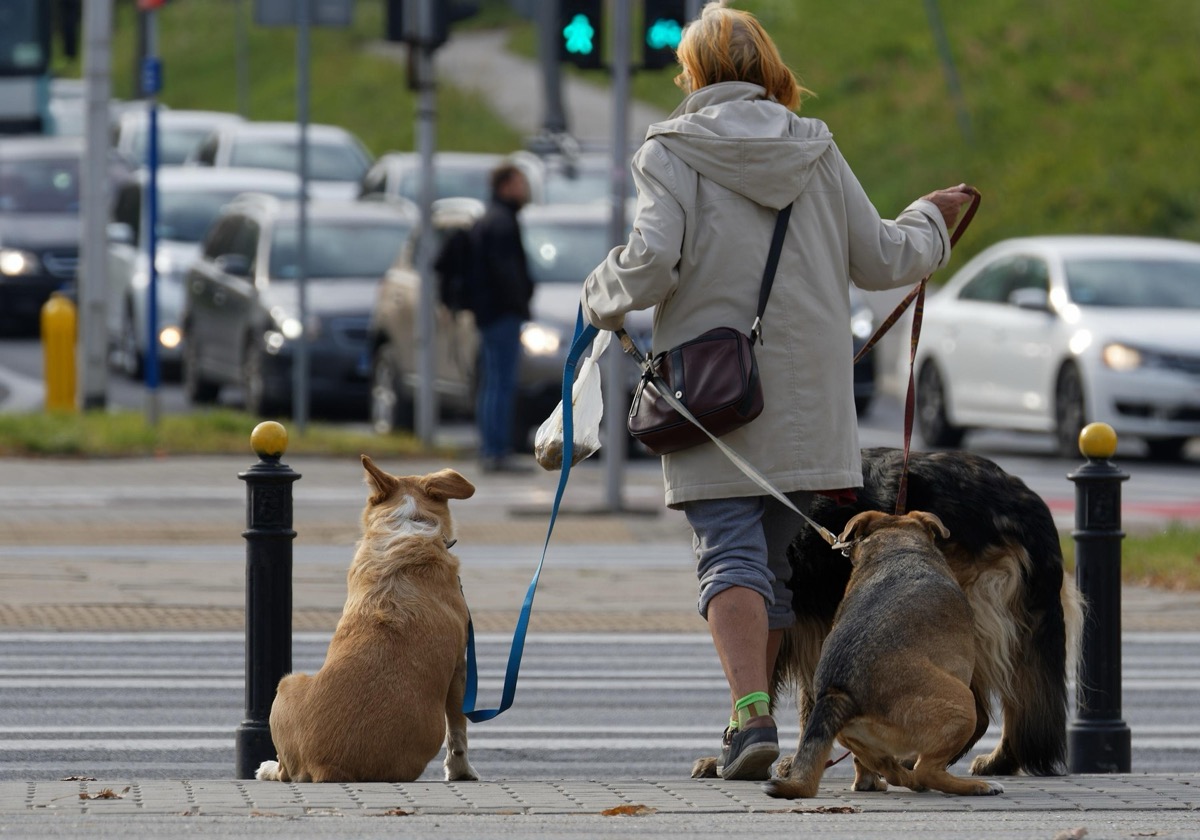
Living in Richmond is a win for dog owners. We have the breeze at Point Isabel and the trails at Wildcat Canyon, but actually enjoying those spots depends on whether your dog is listening to you or chasing a squirrel toward the Bay. Whether you just brought home a puppy or you're working with a rescue that has "opinions," finding a dog trainer in Richmond is a big deal for your sanity and your dog's safety.
The search is usually a mess of options. You'll find huge training centers and solo consultants who will drive to your place in Marina Bay, Point Richmond, or El Sobrante. Training is a long game. Those first few months with a puppy are a big deal, but the same rules of clear communication and positive reinforcement work for any dog, regardless of age or breed.
Forget the "Alpha" myths
Before you start calling anyone, you need to know what kind of training actually works. You've probably heard of "dominance" or "alpha" training, the stuff where you have to be the "pack leader" through physical corrections. Most of that is outdated junk. Modern canine science has moved on, and the best Richmond dog trainers now use positive reinforcement or science-based methods. This basically means rewarding the stuff you want your dog to do instead of scaring them when they mess up.
It's about building a partnership, not a dictatorship. If you're walking through Miller/Knox and your dog realizes that looking at you gets them a piece of chicken, they're going to care a lot less about the distractions on the waterfront. Methods that use fear or pain, like prong collars or "e-collars," often backfire. In a busy city like Richmond, where you're constantly running into other pets and people, an anxious dog is a liability. A force-free dog trainer Richmond dog owners can trust will focus on making your dog confident, not just compliant.
A great trainer spends as much time teaching you as they do the dog. They should be able to explain body language and timing so you can stop bad habits before they even start. That's the difference between a mediocre trainer and one who actually changes your life at home.
What to look for in a Richmond dog trainer
Since literally anyone can print a business card and call themselves a trainer, you have to do your homework. Look for certifications like CPDT-KA or KPA CTP. These mean the trainer actually passed a test and follows a code of ethics.
Local experience is also a huge plus. You want someone who knows the specific chaos of Point Isabel or the wildlife at Wildcat Canyon. Ask where they train. Indoor facilities are fine for the basics, but the real work happens out in the parks where the distractions are.
Transparency is everything. If a trainer won't let you watch a class before you pay, walk away. Watch the dogs in the class. Are they eager and happy, or do they look shut down? If a trainer is losing their temper or yanking on leashes, they aren't the one.
Red flags to avoid
Watch out for anyone "guaranteeing" results in two weeks. Behavior is complicated, and every dog moves at a different pace. Quick fixes usually involve high-pressure tactics that just suppress the behavior through fear rather than fixing the cause. It's the "it looks fixed until it isn't" trap.
Be careful with "board and train" programs that don't let you visit or don't include a transition plan. Training works best when you're involved. If you don't learn the cues, your dog might be an angel for the trainer and a terror when they get back to your house in Hilltop Green or the Iron Triangle.
Finally, trust your gut. If a trainer uses a bunch of jargon to make you feel stupid or guilty, find someone else. You want a coach, not a lecturer.
Using Richmond's backyard
Richmond is a great place to practice. Start somewhere quiet like Judge George D. Carroll Park. As your dog gets better, head to busier spots. Plenty of Richmond dog trainers also run specialized work like "Urban Agility" or "Feisty Fido" classes for reactive dogs.
Chat with other owners, but take their advice with a grain of salt. Everyone has an opinion on dog training, but your professional trainer's plan should always come first. Investing in a pro early saves you a lot of headache (and money) later. Plus, a trained dog gets to go more places. Whether you're hanging out at the Craneway or hiking the hills, life is just easier when your dog is on the same page as you.