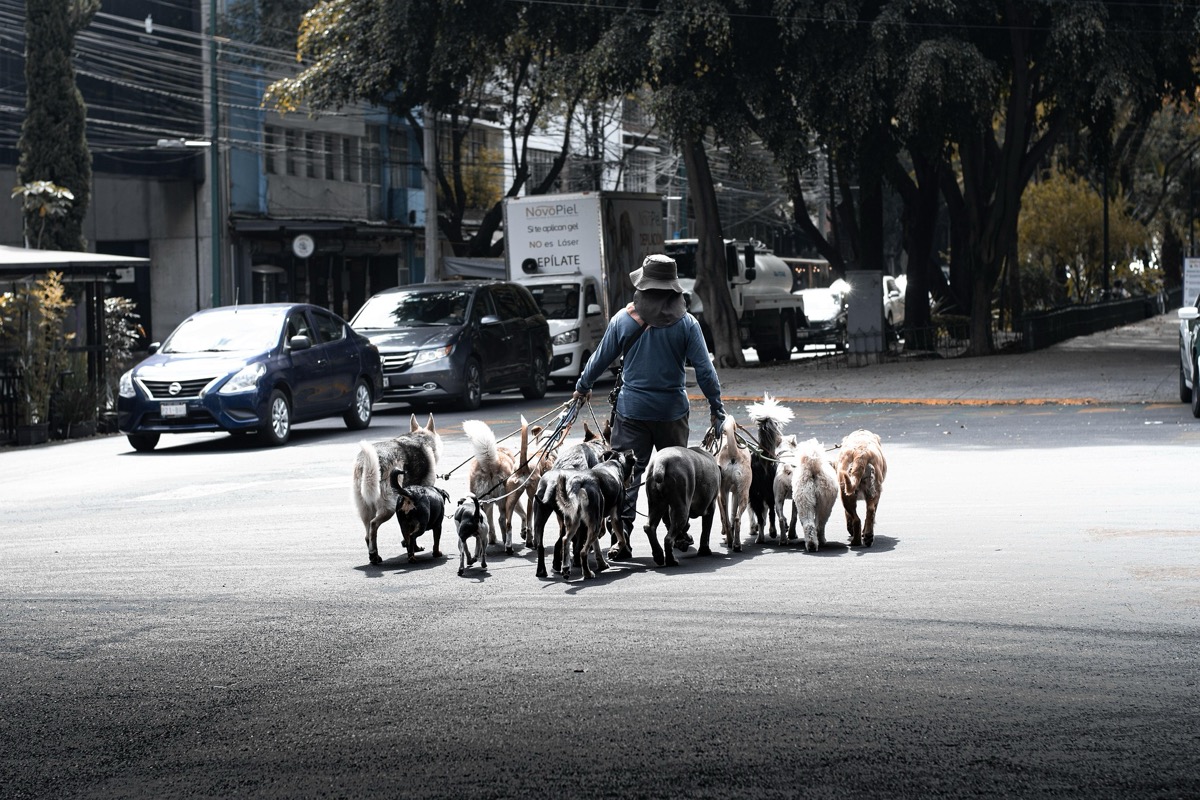
Richmond isn't your typical manicured suburb. It is a city of heavy metal and salt air, where the industrial skeletons of the Kaiser Shipyards sit right next to the trails at Miller/Knox. If you live here with a dog, you already know that "standard" training doesn't always cut it. Between the BART trains, the massive shipping containers, and the sheer madness of the world's most famous dog park, dog training in Richmond is less about "sit-stay" and more about "don't-panic-when-that-truck-hisses." To raise a solid dog in the East Bay, you have to train for the specific textures of our neighborhoods.
The Point Isabel Litmus Test
If you want to know if your Richmond dog training is actually working, take your dog to Point Isabel on a Saturday. It is 23 acres of beautiful, salt-crusted chaos. Hundreds of dogs, views of the Golden Gate, and way too many smells for any normal canine brain to process. I've seen dogs with perfect backyard recalls completely vanish once they hit those trails. It's a sensory overload. I usually tell people to start small, hit the quieter edges of the Richmond Marina or the grass near the Rosie the Riveter memorial first. You need to build up that focus in the wind and noise before you even think about unhooking the leash at the main Point Isabel gates.
The goal here is a "bulletproof recall." In Richmond, this is a safety requirement, not a party trick. With the rocky shoreline and the bay right there, a dog that ignores you can end up in a bad spot fast. Forget the boring kibble; use the high-value stuff, tripe, chicken, whatever wins out over the smell of a salt marsh. Practice "check-ins" where your dog looks back at you every few minutes. It creates a mental tether so you can actually enjoy your walk without wondering if they've bolted toward Mudpuppy's Cafe.
Urban Neutrality: BART and the Iron Triangle
Away from the water, the challenge shifts. Richmond is a loud, working-class hub. If you're walking near the Richmond BART station or through the Iron Triangle, your dog is going to hear Amtrak horns, bus hydraulics, and the constant hum of the city. Puppy training in Richmond should heavily focus on "sound-proofing." I like to take dogs near Macdonald Avenue, at a safe distance, and just feed them treats while the world goes by. You want a dog that sees a bicycle or hears a motorcycle and just shrugs it off. That "polite indifference" is the gold standard for an urban dog.
Don't sleep on surface conditioning, either. Richmond has it all: cracked industrial pavement, metal grates, wooden pier planks, and those fancy new walkways near the ferry terminal. A dog that is scared of a metal grate is a dog that's going to bolt when you're trying to grab a coffee in Point Richmond. Encourage them to hop onto low concrete walls or walk over different textures. A confident dog is a predictable dog, which is exactly what you want when the restaurants on Washington Avenue are packed on a Friday night.
The Industrial Edge
Richmond's personality is built on industry. Huge trucks, shipping containers, and the port infrastructure can be terrifying for a dog that's only ever seen a cul-de-sac. If you live in Central or South Richmond, you need to desensitize your dog to the vibrations and sights of heavy machinery. Use the wide sidewalks near the industrial parks for your training sessions. The goal is to make a trip to the hardware store or a walk near the refineries a "non-event."
Also, keep the wind in mind. When you're training at Miller/Knox, a sudden gust off the bay carries scents that can trigger a dog's hunting instinct in a heartbeat. I'm a big fan of incorporating scent-work into local walks. Hide a toy in the shoreline grass and let them find it. It burns way more mental energy than a three-mile run and keeps them focused on you instead of the gulls.
Social Graces and Trail Logistics
Point Richmond feels like a different world, narrow streets, historic buildings, and a lot of outdoor cafe seating. This is where you practice "stationary duration." Your dog needs to be able to park it under a table while you drink your coffee at Kaleidoscope. It's not about them liking everyone; it's about them ignoring everyone. This same control is vital if you head up into the Richmond Hills or Wildcat Canyon. You're going to run into cyclists and the occasional lizard. A rock-solid "leave it" command will save your life (and the lizard's) when you're out on those trails. We have a diverse ecosystem here, and a curious dog can get into trouble quickly if they don't look to you for permission first.
The Bottom Line
Training a dog in Richmond is work, but it's worth it. You end up with a dog that is as gritty and versatile as the city itself. Whether you're navigating BART stairs or letting them go full-speed at Point Isabel, the trick is consistency and a real-world approach. A well-trained Richmond dog can handle the grit of the Iron Triangle and the beauty of the bay without skipping a beat. Give them the tools to handle this environment, and they won't just survive the East Bay; they'll actually thrive in it.